
05 May Waiting to Exhale
Posted at 00:00h
in Preventative Dentistry
It’s not the best way to deal with bad breath...



New Patient
Current Patient

El Cajon CA, 92020

Closed on Weekends
It’s not the best way to deal with bad breath...

About Your Overall Health Recent studies, including the Surgeon General’s Report on Oral Health, confirm what our team has known for a long time: There are so many connections between oral health and overall health that your next dental visit can be the next best thing...
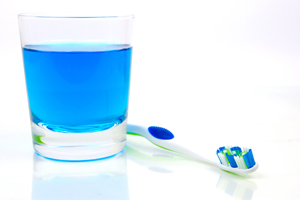
Whether it's to mask bad breath, fight cavities or prevent the buildup of plaque, the sticky material that contains germs and can lead to oral diseases, mouthwash serves a variety of purposes. Or so we think. Though they may leave your mouth with a clean, fresh...
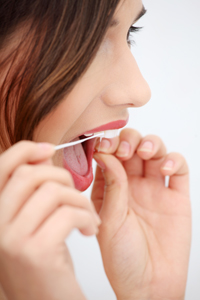
Flosses and picks Plaque is a sticky layer of material containing germs that accumulates on teeth, including places where toothbrushes can't reach. This can lead to gum disease. The best way to get rid of plaque is to brush and floss your teeth carefully every day....
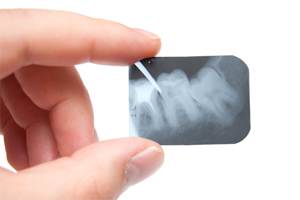
Why do I need X-rays? X-rays, or radiographic examinations, provide us with an important tool that shows the condition of your teeth, its roots, jaw placement, and the overall composition of your facial bones. X-rays can help determine the presence or degree of periodontal disease, abscesses, and...
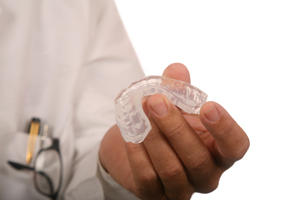
What is Bruxism? Bruxism is the technical term for grinding and clenching that wears down teeth and may cause facial pain. People who grind and clench, called bruxers, unintentionally bite down too hard at inappropriate times, such as in their sleep. In addition to grinding teeth,...

We don’t hear a lot about vitamin D. It’s crucial for healthy teeth and bones because it helps you absorb calcium. And the easiest way to get your minimum daily requirement is—take a walk in the sun! Vitamin D is called the “sunshine vitamin” because...

Stop smoking. Lose 30 pounds. Exercise at the gym three times a week. No wonder most "New Years' Resolutions" barely make it to January 31. Lighten up on yourself. And make some dental New Years' Resolutions you know you can keep: A hygiene visit every six months....

Dentists and researchers aren't in complete agreement about the cause of nightly tooth grinding (bruxism). But they do agree that it's partly stress-related. Since the year-end holidays can be some of the most stressful months of the year, we may be at risk for high stress...

Before you ring in the New Year, remember that a new insurance benefit period will also be starting in January. If your insurance plan has a maximum allowable benefit for the calendar year (and many plans do), you can maximize your dollar benefits by properly using...